
Understanding Weight Awareness Through Daily Lifestyle Balance
Explore how everyday habits, mindful eating, and sustainable movement shape your wellbeing journey
Dive deeper into the topic
Carrying additional body weight affects more than just physical appearance. It influences how you feel throughout your day, your energy levels during routine activities, and your overall comfort in everyday situations. Understanding these connections helps create awareness about the relationship between body weight and daily life quality.
This awareness forms the foundation for making informed choices about lifestyle habits. When you recognize how weight impacts your daily experience, you can approach changes from a place of understanding rather than pressure.

Your body requires energy for all daily activities, from walking and working to thinking and resting. When carrying extra weight, your body uses more energy for the same tasks, which can lead to feeling tired more quickly or experiencing less stamina throughout the day.
This isn't about judgment or immediate change. It's about recognizing patterns and understanding why certain activities might feel more demanding. Energy awareness helps you make choices that support your daily needs and comfort levels.
Your daily routines create patterns that either support or challenge your wellbeing. These habits include when and how you eat, how much you move during the day, your sleep patterns, and how you manage stress. Each element contributes to your overall balance.
Small, consistent habits often have more lasting impact than dramatic changes. Understanding which habits serve you well and which might need adjustment allows for gradual, sustainable improvements in your lifestyle.

The way you eat throughout the day, not just what you eat, shapes your relationship with food and impacts your body weight. This includes meal timing, portion awareness, eating speed, and the environments where you consume food. These patterns often develop over years and become automatic.
Becoming aware of your eating patterns is the first step toward understanding their impact. Do you eat quickly while distracted, or do you take time to notice when you're full? Are meals structured, or do you graze throughout the day? These observations provide valuable insights without requiring immediate changes.
Mindful eating means paying attention to your food experience without distraction or judgment. It involves noticing hunger and fullness cues, appreciating flavors and textures, and understanding how different foods make you feel after eating them.
This approach isn't about restriction or following rigid rules. Instead, it encourages curiosity about your eating experiences and helps you develop a more balanced relationship with food. When you eat mindfully, you're more likely to choose foods that genuinely satisfy you and support your wellbeing.

Physical activity doesn't require intense workouts or structured exercise programs. Your body benefits from all types of movement throughout the day, including walking, taking stairs, stretching, gardening, cleaning, and playing with children or pets.
The goal is finding ways to incorporate more movement into your existing routine in ways that feel manageable and even enjoyable. This approach removes the pressure of formal exercise while still supporting your body's need for regular activity. Every bit of movement contributes to your overall activity level.
Modern life often involves extended periods of sitting, whether at work, during commutes, or while relaxing at home. Prolonged sitting affects circulation, muscle engagement, energy expenditure, and even mood. These effects accumulate over time and contribute to overall wellbeing challenges.
Understanding the impact of prolonged sitting helps you recognize opportunities for movement breaks. Simple changes like standing during phone calls, walking during lunch breaks, or stretching between tasks can interrupt sedentary patterns without disrupting your schedule.
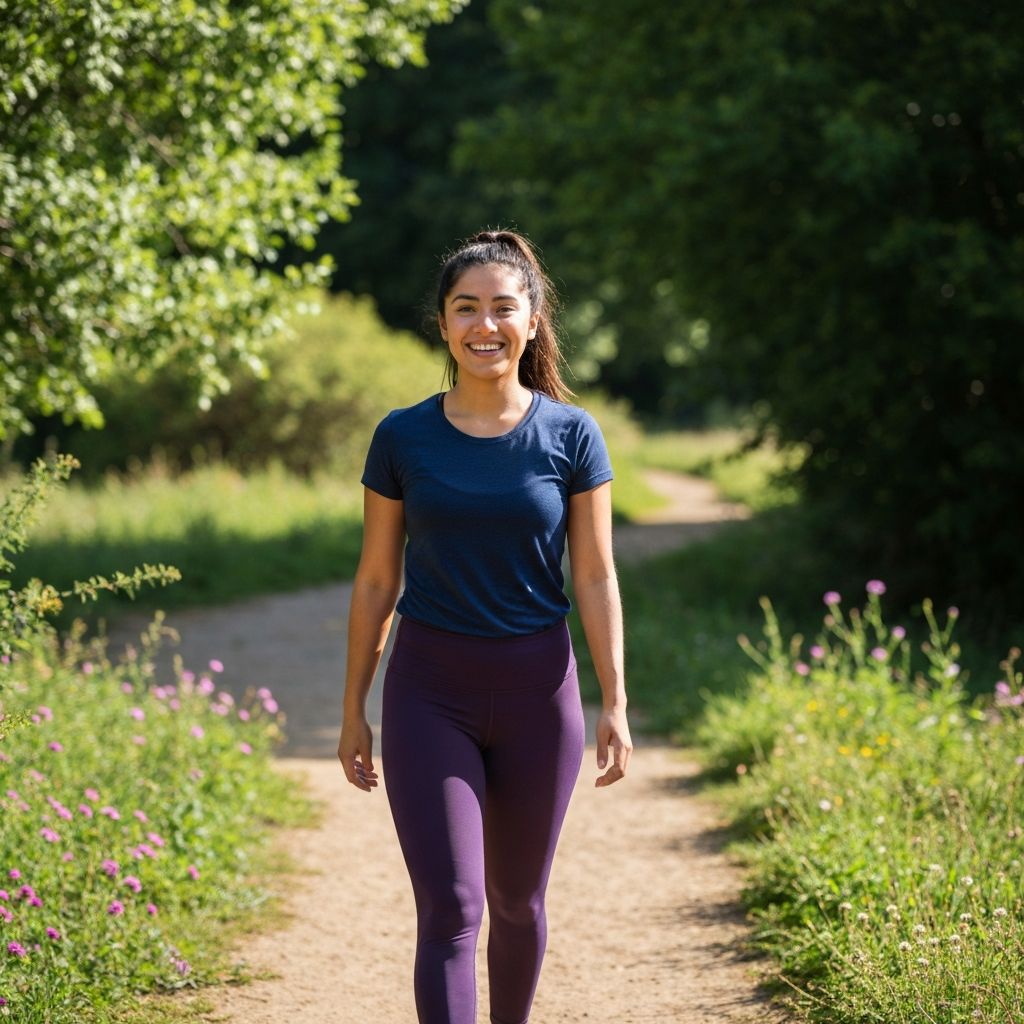
How you feel about your body influences your daily comfort, confidence, and willingness to engage in various activities. Body image isn't just about appearance; it's about your relationship with your physical self and how that relationship affects your life choices.
Developing a more accepting relationship with your body, regardless of its current state, supports better decision-making about habits and lifestyle. When you approach your body with curiosity and respect rather than criticism, you're more likely to make choices that genuinely support your wellbeing.
Your daily schedule affects your eating patterns, activity levels, sleep quality, and stress management. Irregular routines can disrupt natural body rhythms, making it harder to maintain balanced habits. Consistent routines, on the other hand, create structure that supports wellbeing.
This doesn't mean rigid schedules or perfect consistency. It means recognizing how routine affects your habits and finding patterns that work with your life circumstances. Even small elements of routine, like regular meal times or consistent sleep schedules, can make a significant difference.
Beyond structured movement, everyday activities contribute significantly to your overall activity level. Household chores, grocery shopping, walking to nearby destinations, taking care of your space, and other daily tasks all involve physical effort that supports your body.
Recognizing these activities as valuable movement helps you appreciate the activity you're already doing while identifying opportunities to increase it naturally. The goal is making activity a normal, integrated part of your day rather than something separate and demanding.

Food labels provide information about what you're consuming, including portion sizes, ingredient lists, and nutritional content. Understanding how to read these labels helps you make more informed decisions about the foods you choose.
This skill isn't about becoming rigid or obsessive about numbers. It's about awareness. When you understand what's in your food, you can make choices that align with your preferences and goals. Over time, this awareness becomes second nature and supports more balanced eating patterns.
Your social environment significantly influences your eating and activity habits. Shared meals, social gatherings, workplace culture, and family traditions all shape your lifestyle choices. These social patterns can either support or challenge your efforts toward balanced living.
Understanding these influences helps you navigate social situations with awareness. You can enjoy social connections while making choices that feel right for you. This balance between social participation and personal wellbeing is an important part of sustainable lifestyle approaches.

Adequate hydration affects energy levels, cognitive function, appetite signals, and overall wellbeing. Many people habitually drink less water than their bodies need, sometimes confusing thirst signals with hunger or simply forgetting to drink throughout the day.
Developing awareness of your hydration habits and gradually increasing water intake can improve how you feel daily. This simple change often has noticeable effects on energy and comfort levels, making it a valuable starting point for lifestyle improvements.
Sustainable lifestyle changes happen gradually through small, consistent adjustments rather than dramatic overhauls. Extreme approaches often create unsustainable patterns that lead to frustration and abandonment. A balanced approach acknowledges that progress isn't linear and that flexibility is essential.
This means giving yourself permission to learn through experience, adjusting as needed, and recognizing that perfect consistency isn't realistic or necessary. The goal is progress and awareness, not perfection. This mindset supports long-term sustainability and reduces the stress often associated with lifestyle changes.
Access to reliable, practical information supports informed decision-making about your lifestyle choices. Educational resources help you understand the reasoning behind different approaches, allowing you to choose strategies that make sense for your situation.
Quality education about weight awareness, eating patterns, and activity habits empowers you to become your own best guide. Rather than following prescriptive rules, you develop the knowledge to make decisions that align with your needs, preferences, and circumstances.

Visual demonstrations can clarify concepts and make practical strategies more accessible. Video content allows you to see examples of mindful eating practices, simple movement ideas, food preparation approaches, and other lifestyle elements in action.
These resources serve as references you can return to when implementing new habits or refreshing your understanding of concepts. They provide concrete examples that make abstract ideas more tangible and actionable in your daily life.
"The information here helped me understand my daily habits better. I appreciate the non-judgmental approach that focuses on awareness rather than pressure."
"I learned so much about the connection between my routine and how I feel throughout the day. The practical insights are genuinely helpful."
"Finally, information about weight awareness that doesn't promise miracles or make me feel bad. This education-first approach makes sense."
Weight awareness education focuses on understanding how excess body weight impacts daily life, wellbeing, and lifestyle habits. It provides information and insights without offering solutions, prescriptions, or guarantees.
No, this is purely an informational platform. We provide educational content about lifestyle balance, eating habits, and daily activity. We don't offer structured programs, courses, or step-by-step plans.
Anyone interested in understanding the connection between body weight and daily wellbeing may find this information valuable. The content is designed to be accessible and relevant regardless of your current situation.
No, we provide general educational information only. We don't offer personalized recommendations, assessments, or individualized guidance. The information is meant to support your own understanding and awareness.
We focus exclusively on education and awareness without making promises, offering plans, or providing any form of intervention. Our approach is informational, neutral, and respectful of individual circumstances.
Explore more about how daily habits shape your wellbeing journey
Learn About Our Approach